

Sevices
Development Impact Assessments
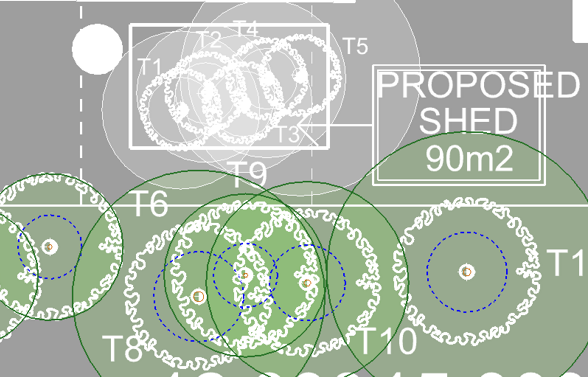
Development impact assessments provide in-depth information on the impact of new construction on trees and green areas within the proposed footprint of the new development.
A development impact assessment must always be conducted by an AQF level 5 arborist and is needed prior to the approval of any new development. Regardless of the type of development, the impact assessment ensures that all potential impacts are identified, evaluated, and managed effectively in line with AS4970:2025.
Tree Risk Assessments
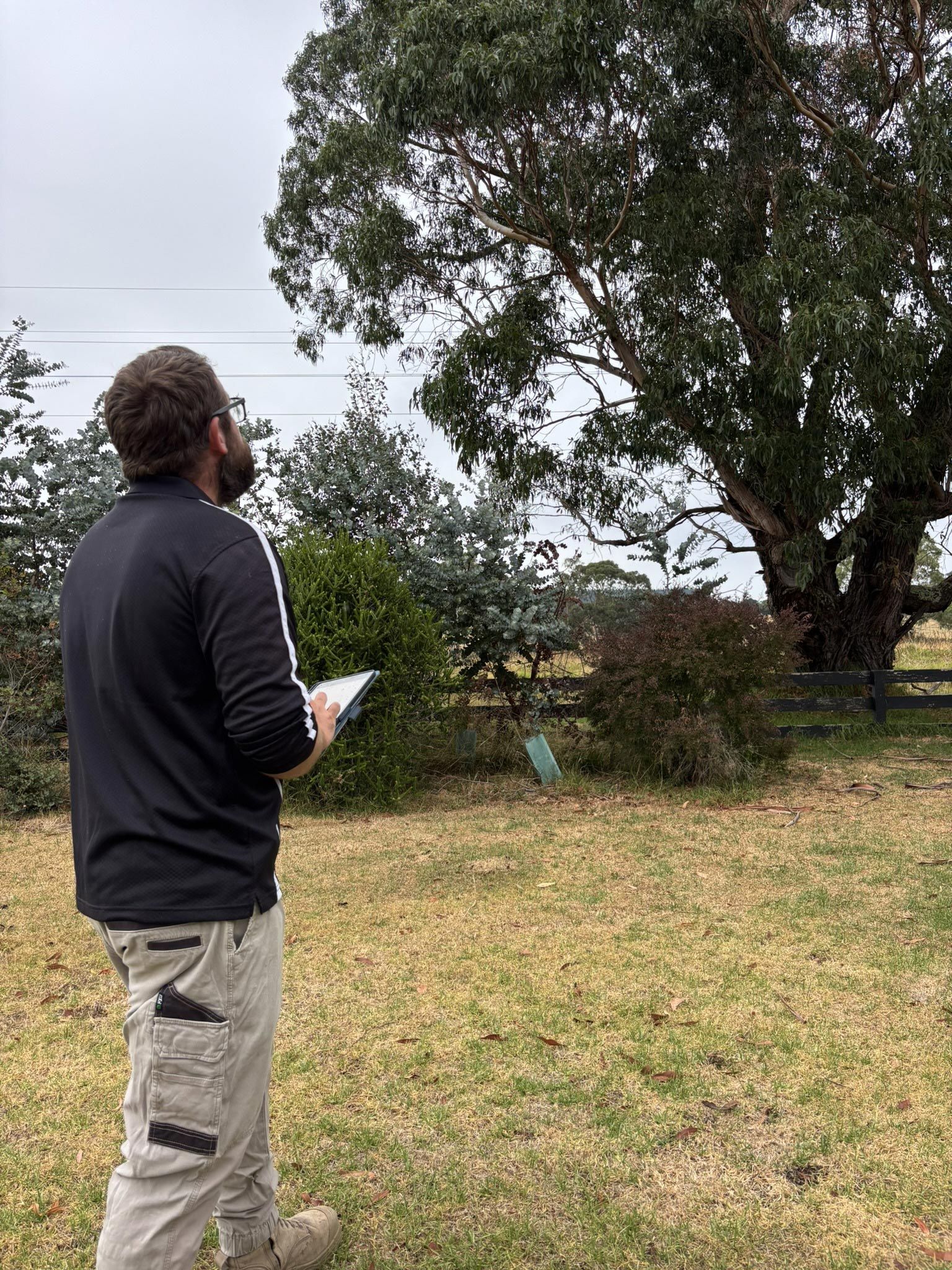
A tree risk assessment is a comprehensive visual inspection of a tree’s overall health and should only ever be conducted by a qualified arborist with extensive knowledge of tree anatomy.
Tree risk assessments predict the likelihood of branches or an entire tree falling and the potential consequences, whether that is damage to persons or property. Based on this analysis, recommendations are offered for the best course of action, whether that is tree removal or tree pruning.
Tree Protection Plans
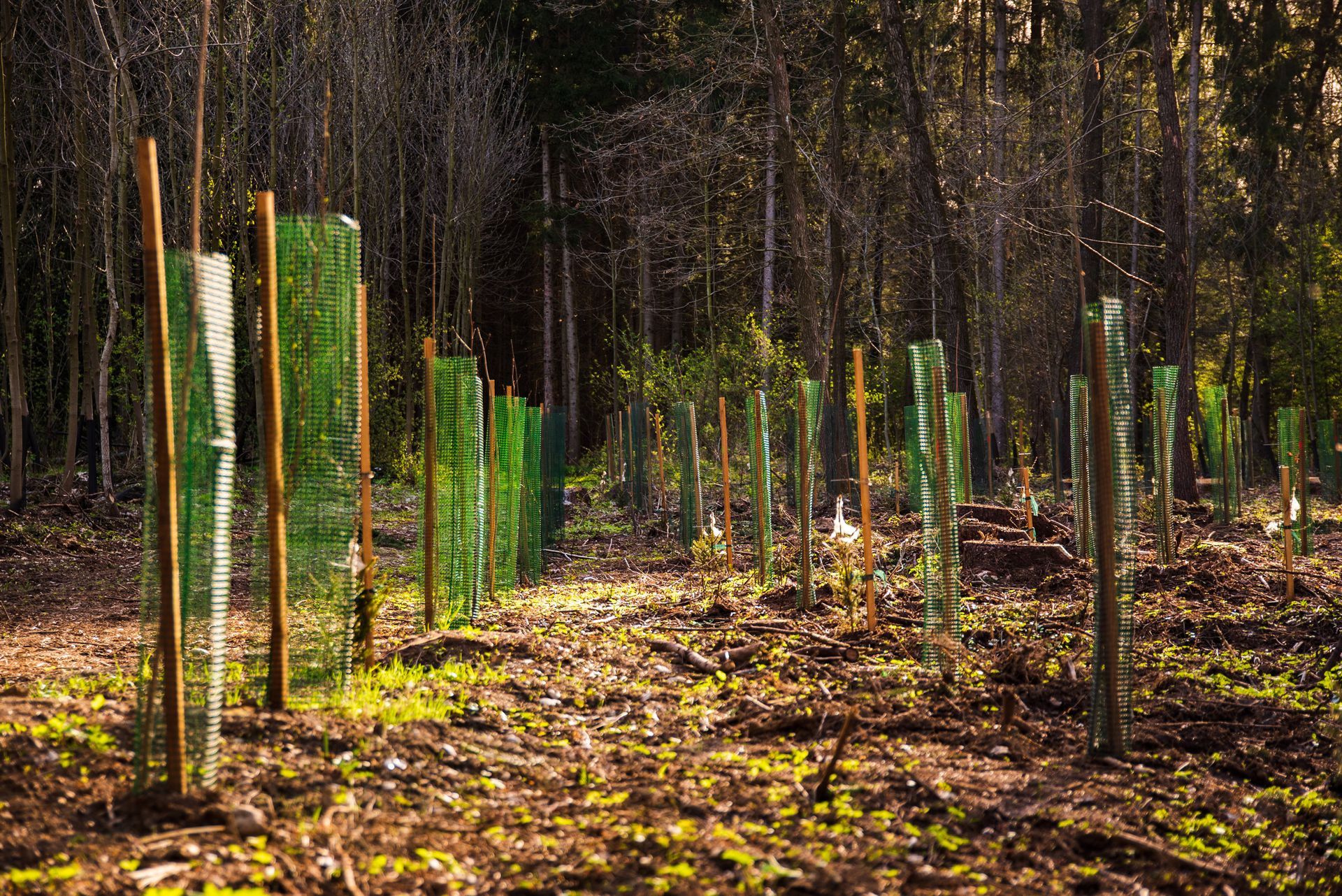
Based on the development impact assessment findings, recommendations will be provided to mitigate the likely impact of the new development on the surrounding trees and green spaces. Common mitigation methods include fencing, ground protection, root-zone protection, and more.
The assessment may also identify trees that can be successfully removed and replanted, as well as those that can remain, with the goal of retaining as many natural elements as possible.
Arborist Site Supervision
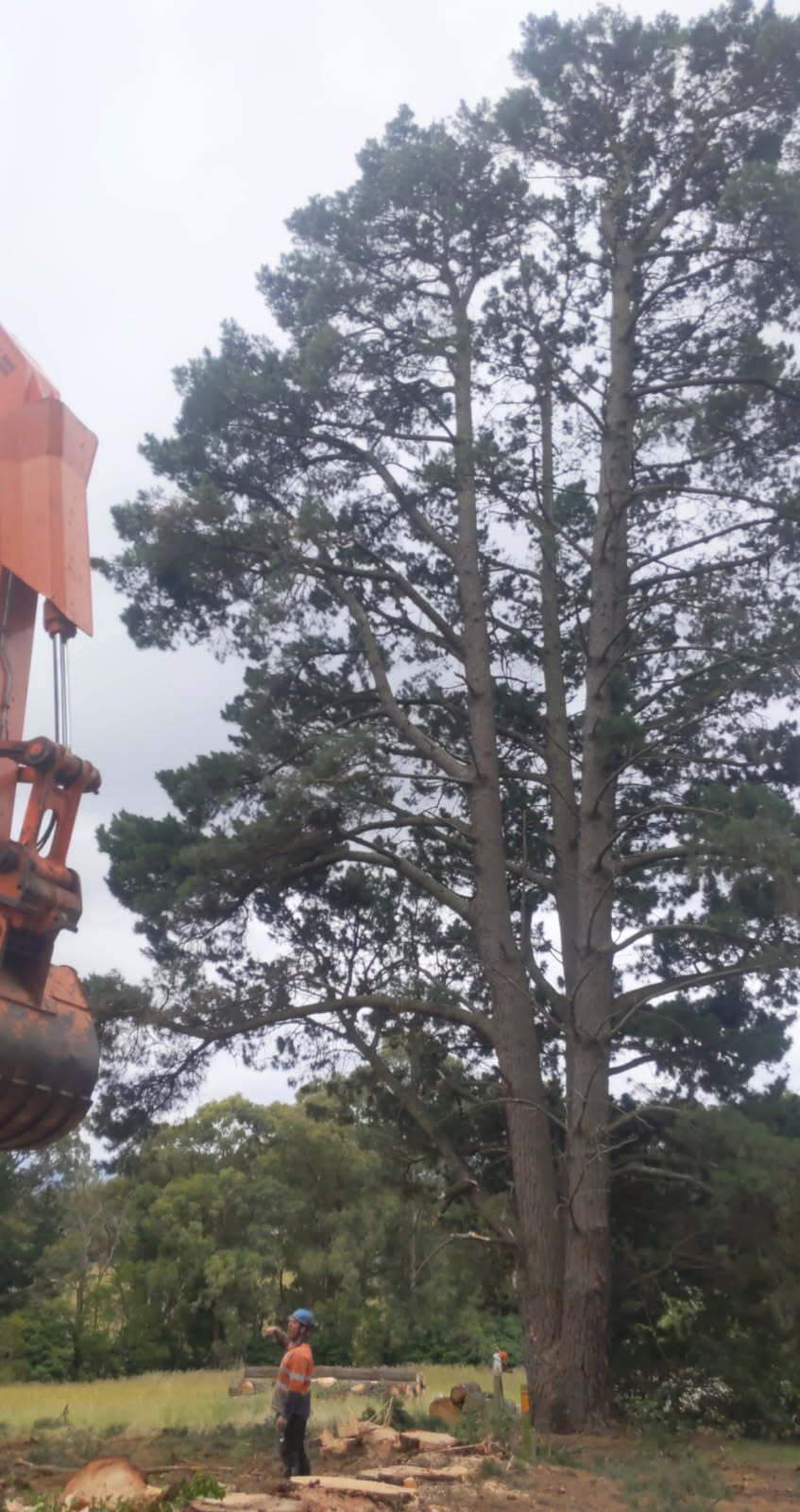
Arborist site supervision refers to the oversight of construction projects by a qualified arborist (typically AQF Level 5) to ensure compliance with development approvals and to monitor tree health during construction.
This may involve regular site visits to conduct inspections and supervise activities such as tree uprooting or root pruning.
Tree Data Collection
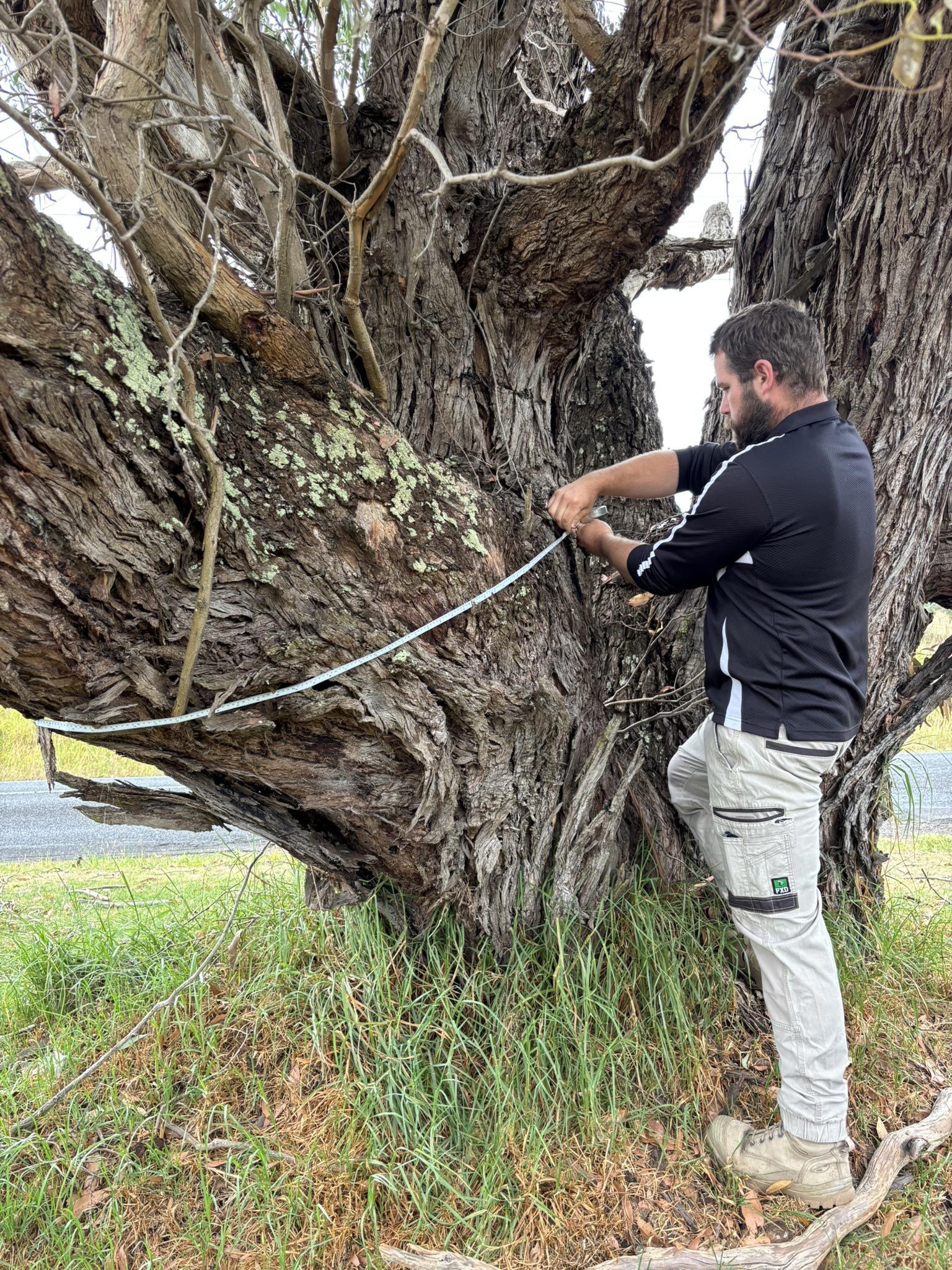
Tree surveying and data collection involve the systematic analysis and recording of the health, spatial, and structural attributes of trees. Key data points include species identification, dimensions, spatial location, overall condition, and significant structural features.
Tree data collection is undertaken to support urban forest management, environmental sustainability, planning and development processes, and risk mitigation. I have experience using council-based systems including Forestree and Conquest applications, and I am able to adopt and align with individual council methodologies for data collection and assessment to ensure consistency and compliance with local requirements.
Tree Removal
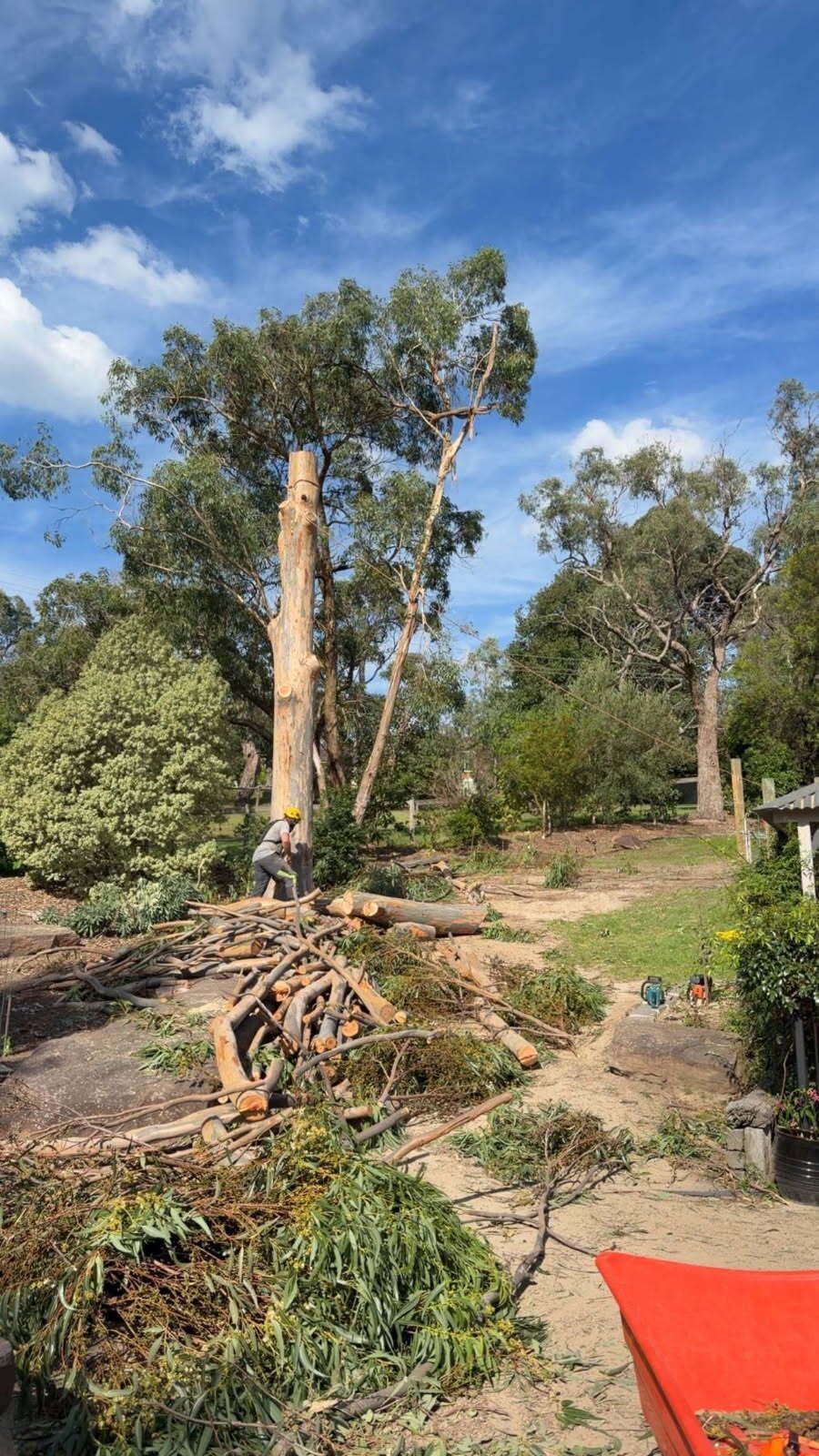
Tree removal may be necessary if they are 1) a safety risk, 2) facing terminal decay, or 3) at risk of causing severe structural damage. Using my arboricultural knowledge and expertise as a QTRA-registered user, I will conduct an in-depth assessment to determine the best solution.
As a tree and nature lover, my goal is always to avoid cutting the whole tree down; however, in some cases, that is the only option. In this situation, you can have peace of mind knowing you’re partnering with a professional who is qualified, passionate, and knows what he’s doing.
Tree Pruning
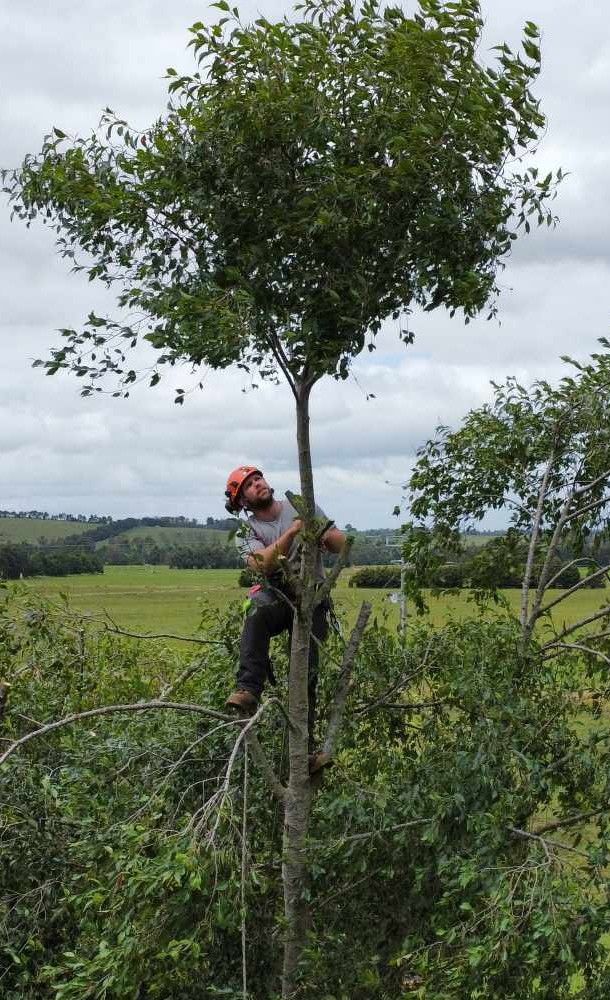
Tree pruning helps improve tree health and appearance by removing dead or diseased branches, stimulating growth, and preventing further decay. It also enhances the safety of your outdoor space while reducing the risk of falling branches that may damage surrounding structures.
At Nomadic Arborist, I assess the condition of the tree and utilise standardised pruning techniques in line with AS4373-2007 Pruning of Amenity Trees to promote health and longevity.
Tree Climbing
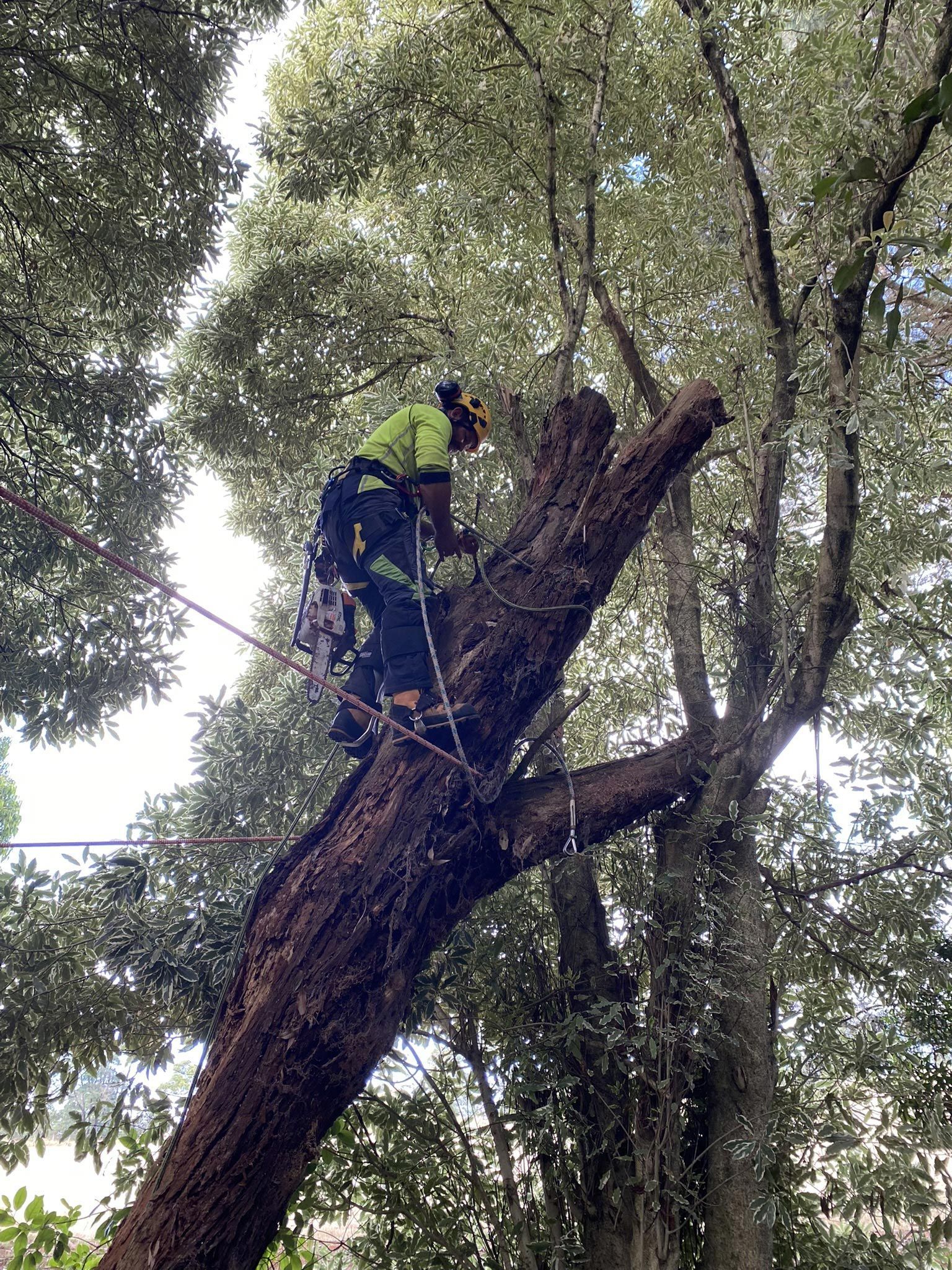
When pruning, removing trees, or conducting assessments on particularly tall or expansive trees, I utilise professional tree climbing techniques to access the canopy safely and efficiently.
Using a harness, ropes, PPE, and specialised climbing equipment, I’m able to carefully traverse a wide range of tree structures and carry out work with precision, while minimising impact and avoiding unnecessary damage to the tree and surrounding environment.
EWP Operation
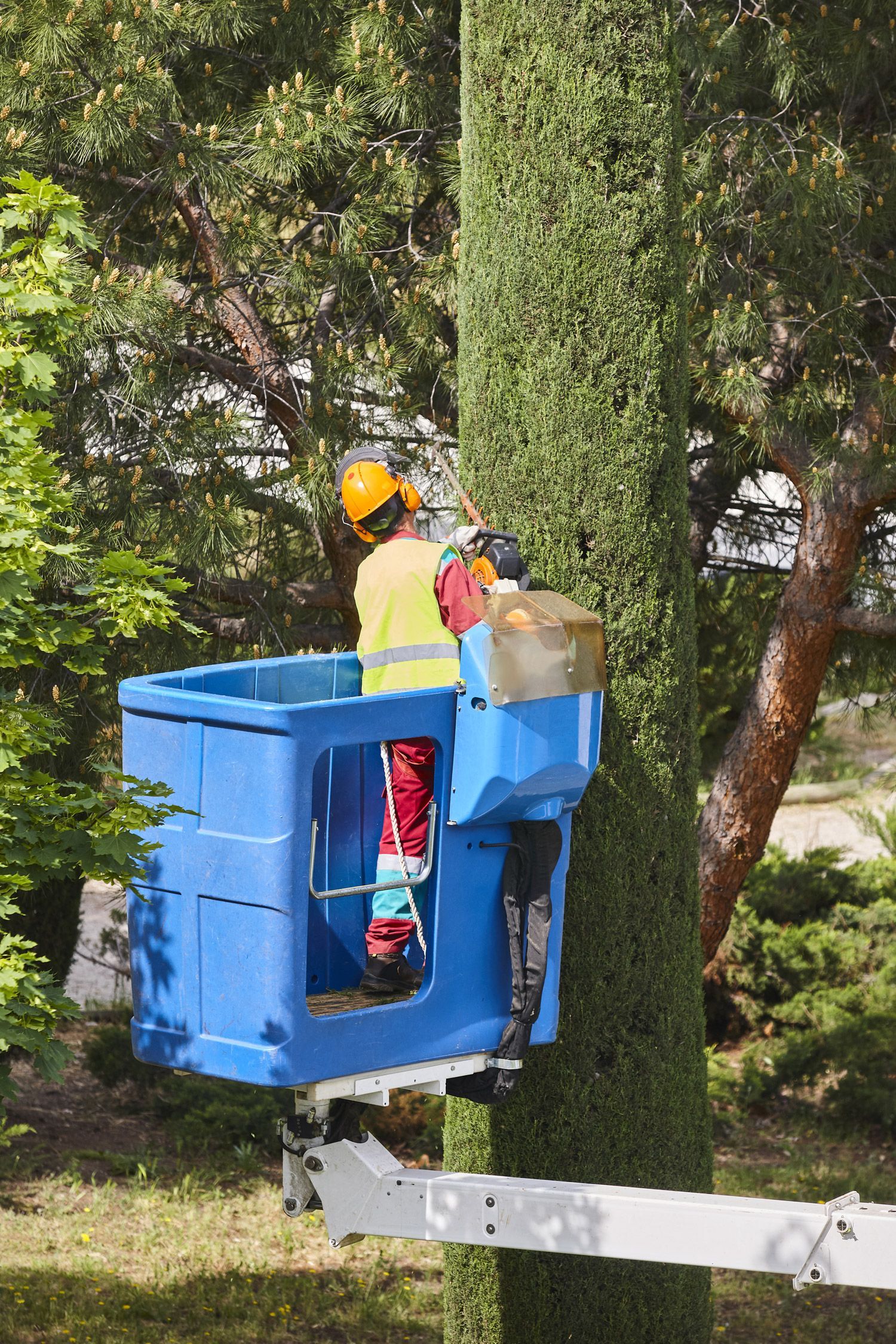
For tall trees, complex access situations, or work near structures and power lines, I may use an Elevated Work Platform (EWP), commonly known as a cherry picker, to ensure safe and controlled access.
I am fully trained and licensed to operate EWPs and will advise you prior to the job if an EWP is required to complete the work safely and effectively.
Firewood Processing
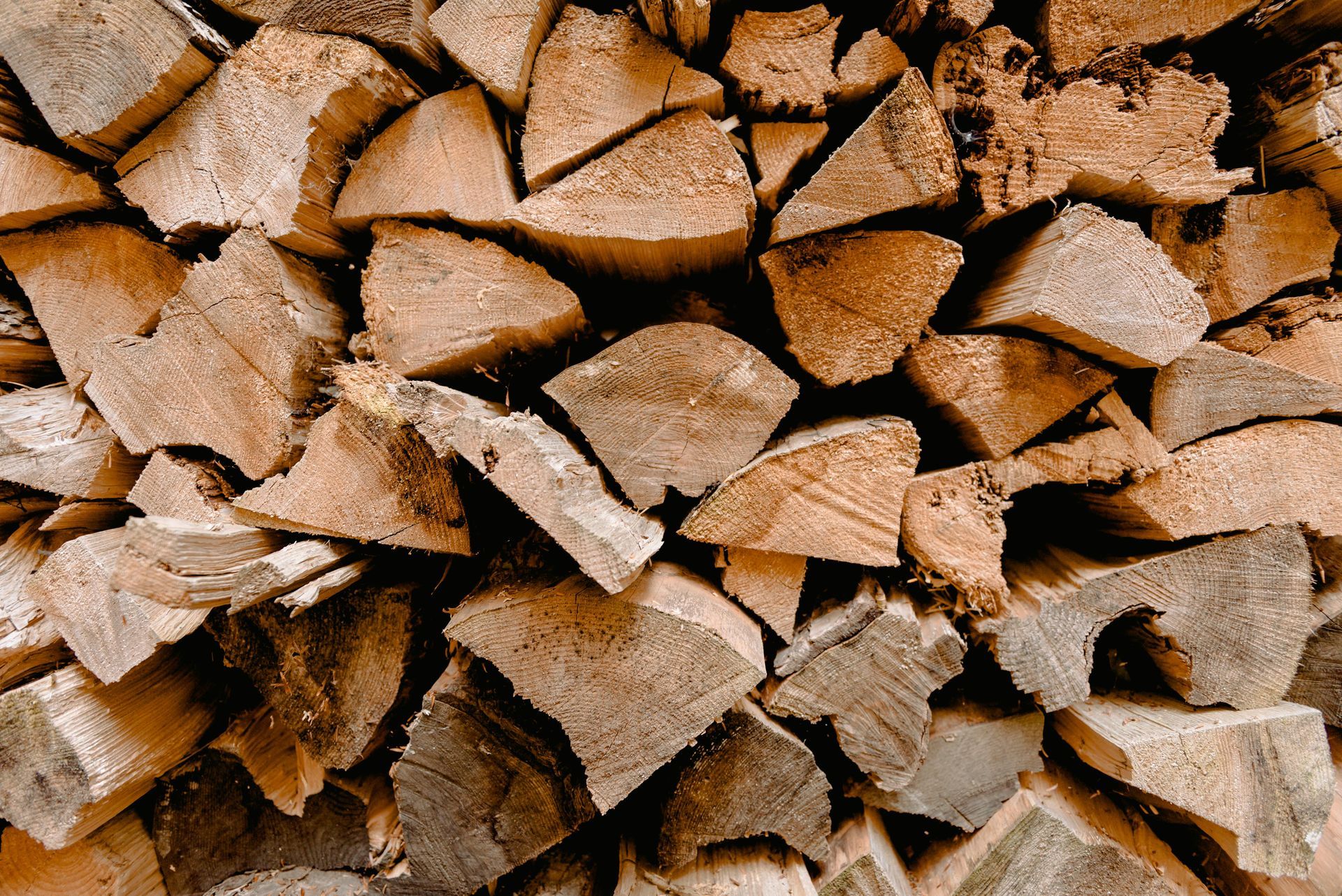
After tree removals and pruning, I can process suitable offcuts into premium, ready-to-burn firewood using specialised equipment. This service is designed to give timber a second life while reducing environmental waste wherever possible.
Firewood processing is offered in conjunction with tree removal services, or for clients who already have timber on-site that they would like cut and split. I do not offer firewood delivery, as all processing is carried out on-site or as part of scheduled works.
The Travelling Tree Care Solution you Can Trust
Give me a call or fill out the form on the contact page, and I'll get back to you as soon as possible!
